 BDSMLR
Curating a Reblog Blog: Selection Is the Whole Skill
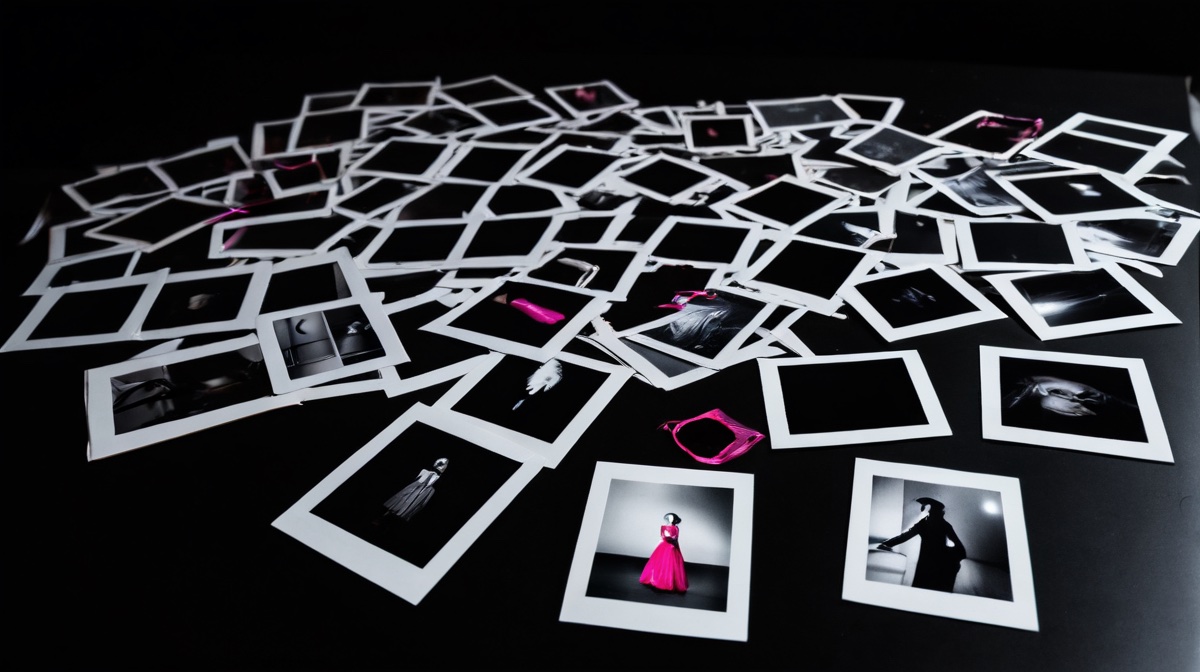
On BDSMLR, as on every reblog network, almost nobody makes the pictures. Your blog is assembled out of other people’s work, one click at a time, which leaves exactly one thing on it that came from you: the choosing. That sounds like a small job until you look at two blogs covering the same ground and see how differently they land.
Selection is the authorship you have
Reblogging feels passive. You scroll, something catches you, you reblog it, and the post lands on your blog looking exactly as it did on someone else’s. Nothing was made. But across a few hundred posts, a pattern appears whether you meant it to or not: what you keep taking, what you keep passing over, how narrow or wide your range is, whether you go for a particular light or mood or body language.
That pattern is the blog. It’s the only part a reader can’t get anywhere else, because the individual images are all over the platform already. When someone follows you rather than following the tag, they’re following your filter.
So the skill worth developing has very little to do with finding more material. Material is not scarce here. What takes practice is deciding, quickly and consistently, what you’re going to leave alone.
A feed and a collection are different things
Most blogs are feeds. Things go past, some get caught, the blog fills up. Nothing wrong with it, and it’s how most people use the platform. But a feed is a record of what you happened to see, which is mostly a record of who you follow and when you were online.
A collection is different. In a collection, every post is there because it earned a place next to the others. Posts get passed over that would have been fine on their own. The blog develops edges: things that clearly belong, things that clearly don’t, and a shrinking middle where you have to actually think.
You can tell which one you’re running by asking whether you’d reblog a post if it were the only thing on your blog that week. In a feed, that question doesn’t come up. In a collection, it’s the whole decision.
Why the tight blog beats the large one

A blog with four hundred carefully chosen posts reads stronger than one with four thousand loosely chosen ones, and the reason is arithmetic rather than taste. Every post that only half-belongs makes the posts around it look less deliberate. Ten of them and a reader starts to suspect there’s no standard at all, at which point your good posts stop reading as choices and start reading as coincidences.
The other reason is that people scroll. A visitor decides whether to follow you off maybe six posts. If those six hold together, they follow. If two of them are off-key, they don’t, and the four thousand posts underneath never get seen.
None of this argues for posting rarely. It argues for a bar. A blog that puts out five posts a day, all of which belong, is tight. A blog that puts out one a day and picks it lazily is not.
What you’re actually deciding
The useful habit is to notice the difference between three reactions, because they feel similar in the moment and mean very different things:
- I like this. True of a great deal of what you’ll scroll past. Not a reason on its own.
- This is good. Also not a reason. Plenty of good posts belong on someone else’s blog.
- This belongs here. The only one that should move your finger.
Most over-full blogs are built by people who never separated the first from the third. If you’re not sure, the honest test is whether you can say what it’s doing that the last thing you posted wasn’t. If the answer is nothing much, you’re padding.
Themes that hold, and themes that strangle
A theme gives a visitor a reason to follow, but themes fail in both directions. Too broad and it’s not a theme at all, just an adult blog, which describes most of the platform. Too narrow and you run out inside a month, then either abandon it or start letting things in that don’t fit, which is worse than never having had a theme.
The ones that hold up tend to be built on something you actually respond to rather than something that sounded like a good category. A mood, a kind of composition, a specific dynamic, a look. Those keep producing decisions long after a topic-shaped theme has been exhausted, because they’re about how a thing feels rather than what it depicts.
There’s also the option of splitting. If two interests keep fighting each other for space on one blog, they may want separate blogs rather than a compromise theme that serves neither.
Order and adjacency

Posts don’t land in isolation. They land next to whatever went up before them, and a run of three similar things reads as insistence while a hard cut reads as a change of subject. Once you notice this you can use it, spacing out the pieces that make the same point and letting a strong post sit alone rather than burying it under two more.
This is also the argument for spreading things out over hours instead of dumping them at once, which is the whole case for a queue. A blog that arrives in bursts is read in bursts, and everything in the burst competes with the rest of the burst.
Telling whether it’s working
Follower counts answer this badly, for reasons worth their own page. Better signals are quieter. Do the same people keep reblogging you, and do their blogs look like blogs you respect? Does anything of yours travel past the people who already follow you? When you scroll your own archive, do you wince at anything?
That last one is the most useful and the cheapest. Go back a few months and read your own blog as a stranger. The posts you’d cut are the standard you’ve drifted from, and re-reading is usually enough to pull the standard back without any deliberate effort.
Curation gets better with volume of decisions, not volume of posts. Every no you make is practice, and nobody ever sees them, which is exactly why they’re the part most people skip. For the mechanics that sit underneath all of this, start with how to post and reblog.
In practice
Day to day, running a blog here is a long sequence of small yes-or-no decisions made while scrolling. Almost none of the material is yours, so the only thing that distinguishes your blog from the tag it came out of is which posts you let through. Blogs that people follow tend to have a narrow, recognisable range and a visible standard, so a run of five posts reads as one person choosing rather than as a dashboard emptying itself. The blogs people scroll past are usually not badly made, just undiscriminating: everything decent gets reblogged, the theme widens month by month, and eventually nothing on the blog is there for a reason a reader can perceive.
For beginners
Pick something narrower than feels comfortable and hold it for a couple of months. When you see something you like, ask whether it belongs next to the last thing you posted rather than whether it's good, because most of what you'll scroll past is good. Reblog less than you want to at first. It's much easier to widen a tight blog later than to tighten a sprawling one, and a small blog with a clear character picks up followers faster than a large blog with none.
For experienced users
Experienced curators work mostly on the no side. They know their own tells, the kind of post they over-reblog when tired, the theme creep that arrives after a good find, and they re-read their own archive every few months as a way of resetting the standard. They think about adjacency and spacing rather than individual posts, keep the strongest material from clustering, and treat a queue as a second look rather than as a scheduler. Most of them run narrower blogs now than they did in their first year.
FAQ
What makes a reblog blog worth following?
A recognisable point of view. If a reader can look at four or five posts in a row and sense a person choosing them, they'll follow. If the posts could have come from any blog on the platform, there's no reason to follow yours rather than the tag itself.
Is a small blog better than a big one?
A tight blog usually reads better than a large one. Every post you reblog is a claim about what belongs, and the more posts that only half-belong, the weaker every other post looks. Volume is easy to get; consistency is what people actually follow.